
The advisory was issued on Monday by India’s Ministry of External Affairs, which cited recent developments linked to growing unrest across large parts of Iran. The ministry said the situation remained fluid and required heightened vigilance from Indian nationals.
“In view of recent developments, Indian nationals are advised to avoid non-essential travel to the Islamic Republic of Iran until further notice,” the ministry said in a statement. It also urged Indian citizens and people of Indian origin currently in Iran to avoid areas affected by protests or demonstrations and to closely monitor official updates from the Indian embassy in Tehran.
The ministry further advised Indian nationals living in Iran on resident visas to register with the embassy if they had not already done so. Officials said the measure would help authorities provide assistance or information if the security situation were to deteriorate further.
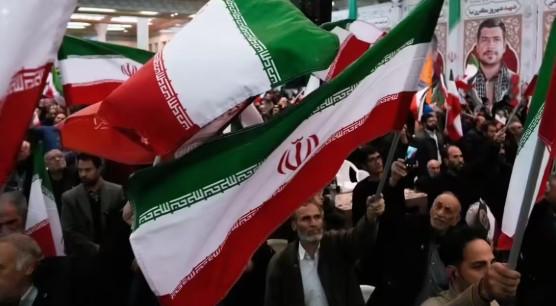
The advisory comes amid a wave of protests that began in Tehran more than a week ago and have since spread across much of the country. Demonstrations have been reported in more than 20 of Iran’s 31 provinces, with protesters expressing anger over rising prices, inflation and the sharp fall in the value of the Iranian currency.
According to reports cited by Indian and international media, at least 10 to 15 people, including members of the security forces, have been killed since the unrest began. Iranian authorities have not released an official nationwide death toll.
The protests were triggered by the rapid depreciation of the Iranian rial, which has lost around half of its value against the US dollar in recent months. Iran has faced inflation above 36 percent since early 2025, placing pressure on households and small businesses and fuelling public discontent.
India’s advisory also follows strong statements from the United States regarding the situation in Iran. US President Donald Trump warned Iranian authorities against using force to suppress protesters, saying Washington was closely monitoring developments.
“We’re watching it very closely,” Trump told reporters aboard Air Force One. “If they start killing people like they have in the past, I think they’re going to get hit very hard by the United States.” In an earlier social media post, he said the US was “locked and loaded and ready to go”, without providing further details.
Iranian leaders have rejected foreign warnings and stressed that the country would not bow to external pressure. Iran’s Supreme Leader Ayatollah Ali Khamenei said the nation “will not yield to the enemy”, while senior officials have warned of possible retaliation against US forces in the region if Iran is attacked.
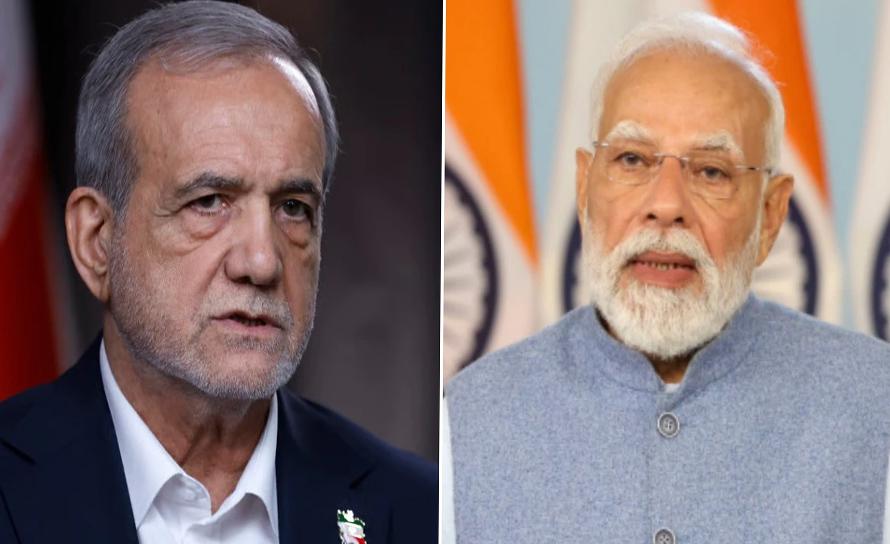
At the same time, Iranian President Masoud Pezeshkian has signalled a more restrained approach. He has instructed the interior ministry to adopt what he described as a “kind and responsible” response to the protests, saying society could not be stabilised through force alone.
India has significant people-to-people ties with Iran. Officials estimate that around 10,000 Indian nationals are currently living in the country, the majority of them students. Iran is also a major destination for Shia Muslim pilgrims from India, particularly to religious cities such as Qom and Mashhad.
New Delhi has not announced any plans for evacuation and has not indicated that diplomatic or economic relations with Tehran are under review. Indian officials have said the advisory is a precautionary step aimed at ensuring the safety of citizens during a period of uncertainty.
India’s embassy in Tehran has been using its website and social media channels to share updates and emergency contact information. The ministry has urged citizens to rely only on official sources and avoid circulating unverified information.