
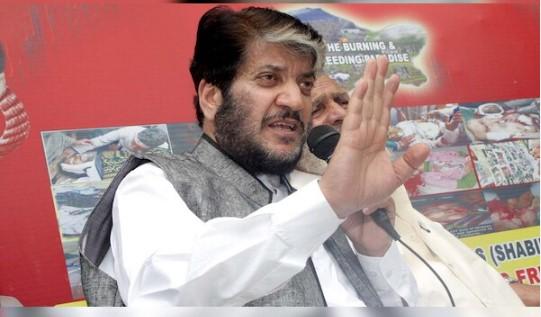
The Supreme Court on Thursday granted bail to Kashmiri separatist leader Shabir Shah in a 2017 terror funding case, citing his long incarceration and the delay in prosecution.
“Bail granted. A detailed order giving reasons will be passed later,” said a bench of justices Vikram Nath and Sandeep Mehta. The bench told the National Investigation Agency (NIA) to recommend stringent conditions on Shah during the bail period.
Shah’s lawyers, senior advocate Colin Gonsalves and advocate Satya Mitra, said their client has remained in custody in one case or the other for 38 years. The NIA denied this and said he spent just over eight years in custody in about 40 criminal cases.
The bench told NIA, “Delay is one aspect that you cannot explain. Forget about who was responsible for the delay. But he continues to be in custody.” It noted the alleged terror funding case was filed in 2017.
Gonsalves told the court that there has been no delay in the trial because of Shah. He added that Shah is very sick and required to be released on bail.
The NIA called the charges against Shah grave, referring to his speech, which distinguished the Indian state and Jammu and Kashmir. It told the court that this is a serious issue.
The NIA argued the Delhi high court rightly denied Shah bail on June 12 last year, observing that he may engage in similar unlawful activities and influence witnesses. In September, the Supreme Court also refused to grant him interim bail.
The NIA said Shah was allegedly in contact with Pakistan and Pakistan occupied Kashmir-based terrorists, including Syed Salahuddin and Hafiz Mohammad Saeed. It said he used to pay tributes to the slain militants and visit their families. Shah allegedly shared details of the slain militants with Pakistan-based entities and constantly received funds from them.
NIA said Shah’s Jammu and Kashmir Democratic Freedom Party propagated insurgency and unrest, inciting people to hold protests, observe strikes, and attack security personnel. It cited witnesses and said Shah played an active role in building the separatist and militant movement.